REXI — Rural EV Mobility Platform
How might rural riders get affordable last-mile transport, while local investors get a transparent way to own and earn from the fleet?
- Domain
- Mobility / EV / Rural transportation
- Role
- Founder & product designer · Research lead · Strategy
- Duration
- 30 days
- Team
- Solo
- Status
- Prototype
- Research
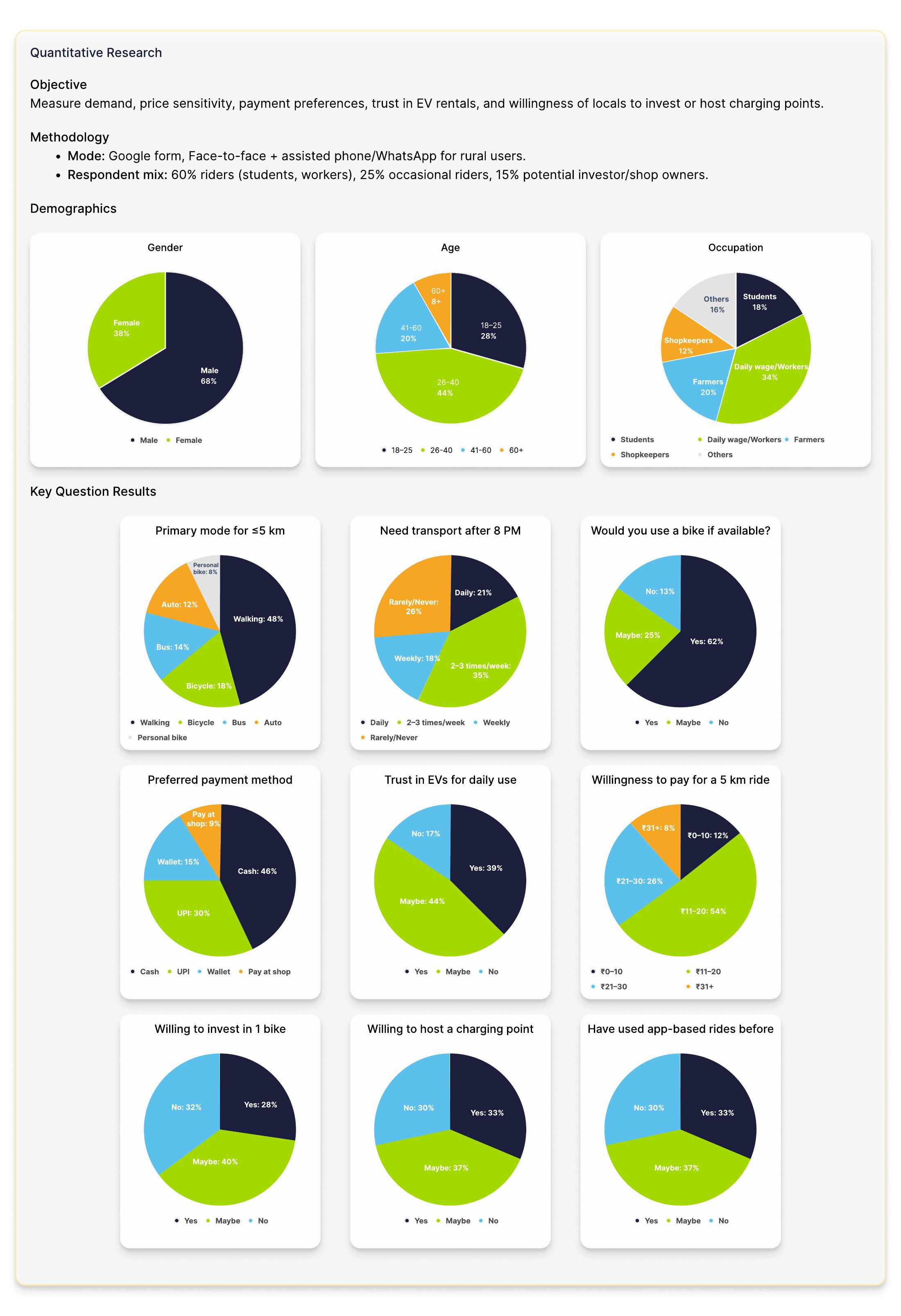
- Secondary research, government and industry data, competitor analysis, field observation, survey responses
- Platforms
- Mobile (rider, investor) · Web (admin)
- Type
- Physical + digital + service design — EV bikes, rider app, investor app, admin platform
01
The challenge
Rural communities face a last-mile mobility gap. Public transport is infrequent — particularly after dark — and autos can be expensive and unreliable. Students, farmers and daily-wage workers absorb the cost in money, time and risk.
The opportunity was not a bike rental app. It was a rural-first mobility ecosystem connecting riders, local investors, fleet operations and the vehicles themselves.
From the project research
62%
would use a bike if one were available
54%
preferred ₹11–20 for a 5 km ride
21%
needed transport daily after 8 PM
02
Users
Meena
Student
- Safe, reliable travel
- Availability after evening hours
- Predictable cost
Ramu
Farmer
- Affordable daily travel
- Lower travel time
- Simple, low-friction unlocking
Suresh
Local investor
- Transparency
- Visible utilisation and earnings
- Confidence in the model
03
Product structure
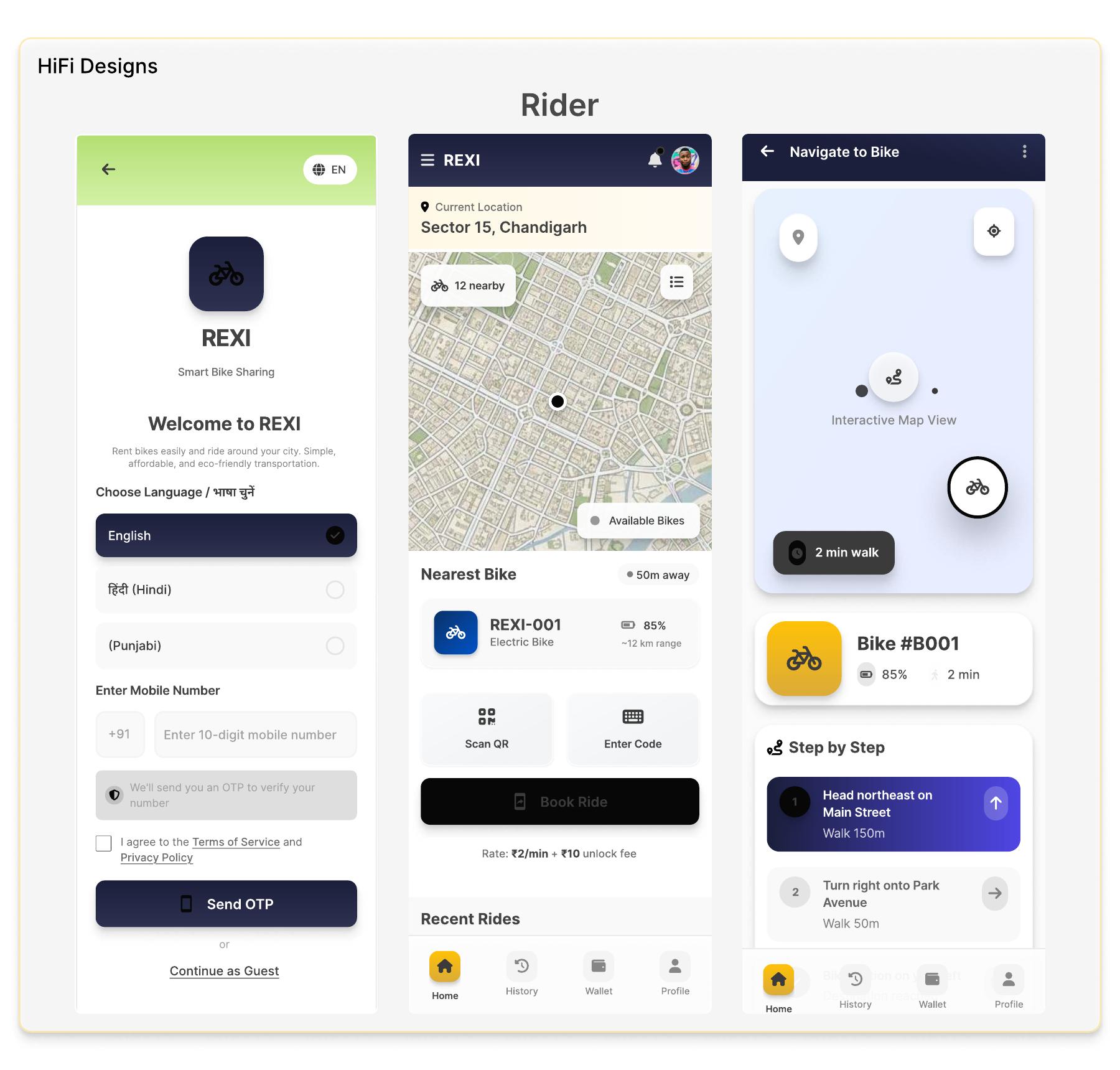
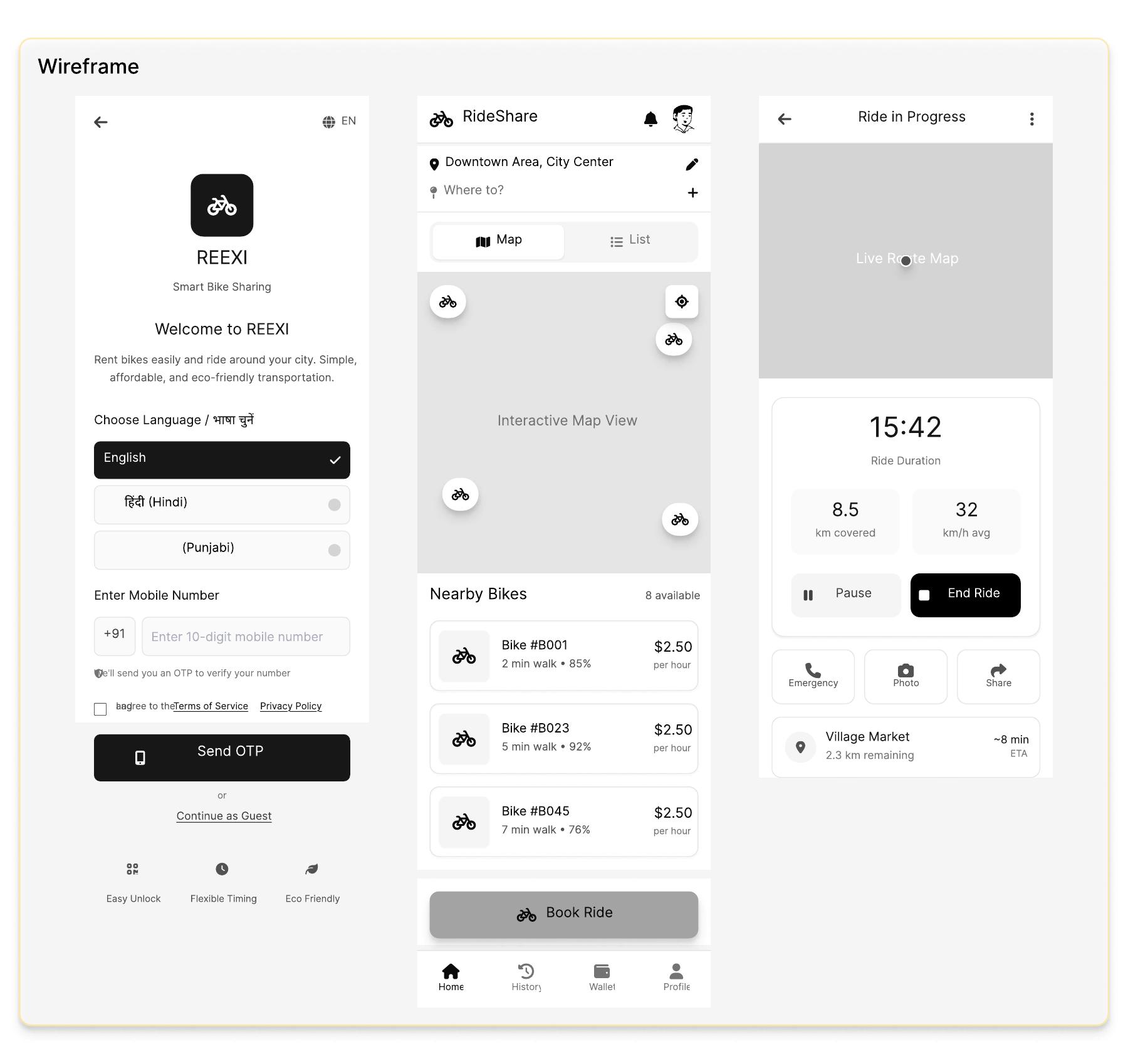
Rider
- Find
- Unlock
- Ride
- Pay
- Review
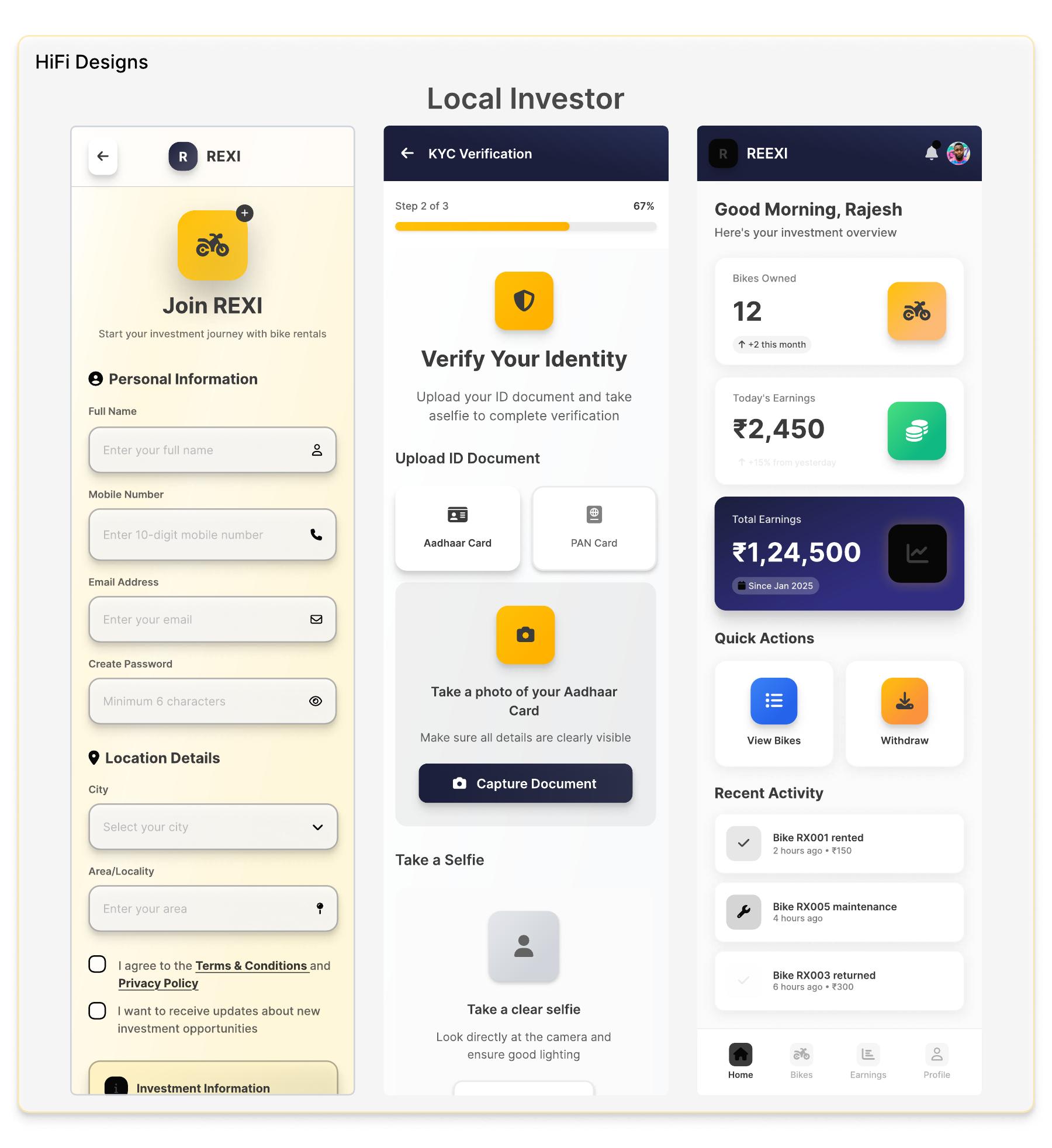
Investor
- Invest
- Track bikes
- Monitor earnings
- Withdraw
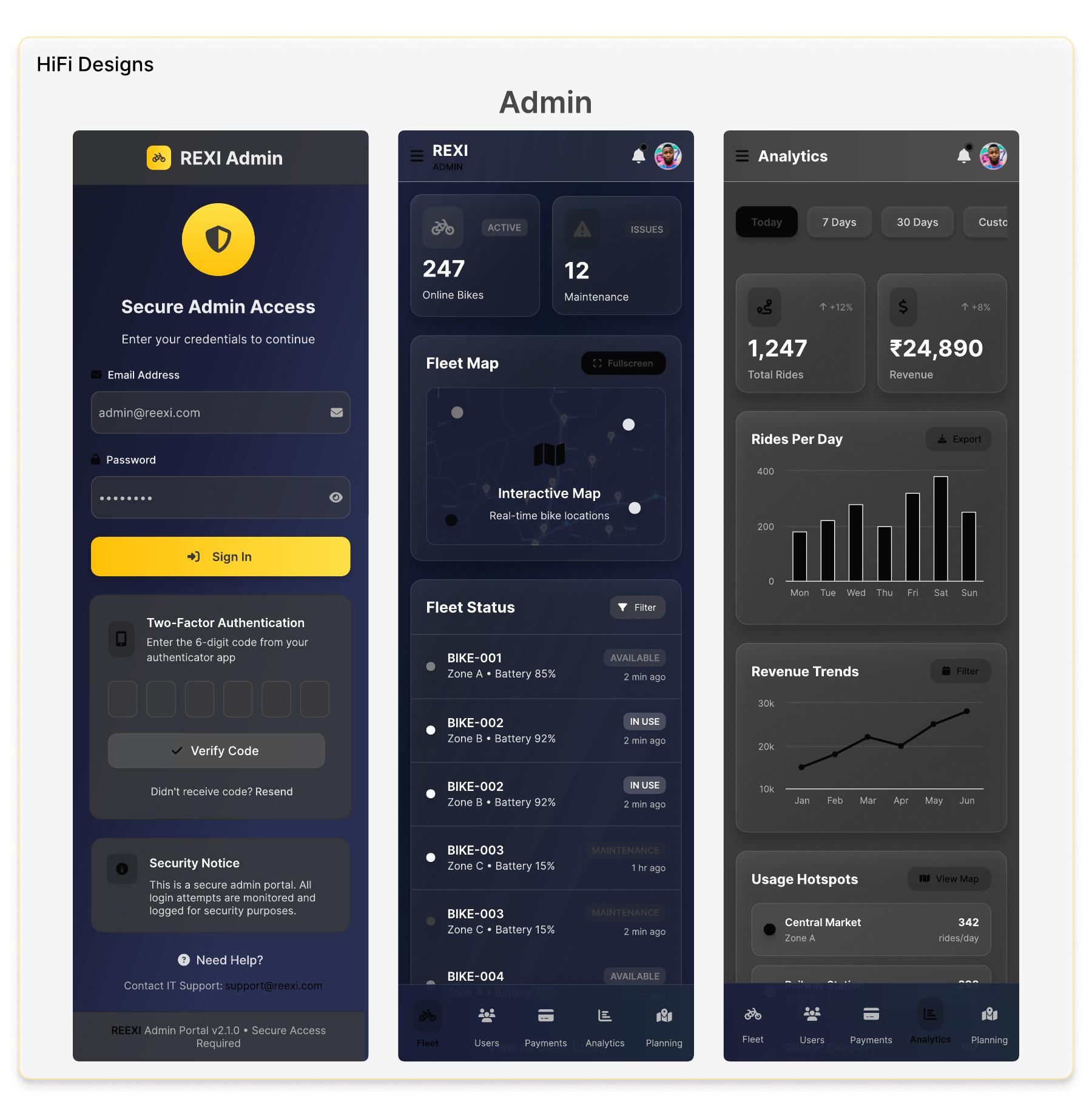
Admin
- Monitor fleet
- Track usage
- Manage maintenance
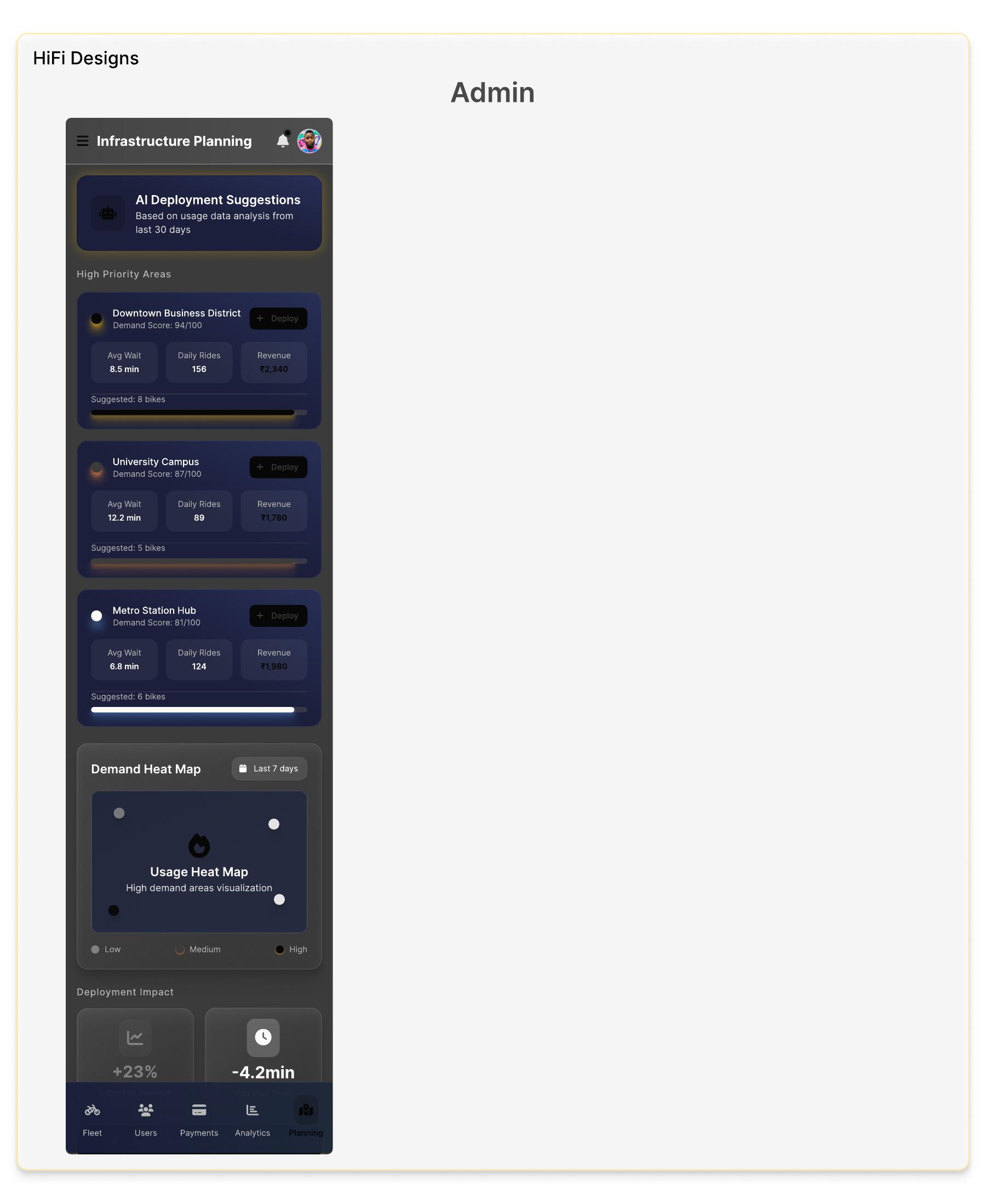
- Analyse revenue
04
Design decisions
The problem
Trust in a village is personal, but the product is digital.
Explored
A — Rider-only app, fleet owned centrally
Explored
B — Rider app plus a local-investor ownership experience
Explored
C — Operator-managed model with no ownership visibility
Decision
Design the investor experience as a first-class product.
Why
Local ownership makes the fleet locally accountable. Transparency of utilisation and earnings is what makes that ownership believable.
The problem
Riders needed to trust the vehicle before starting a journey.
Explored
A — Show price only
Explored
B — Show battery, range and fare during the ride
Decision
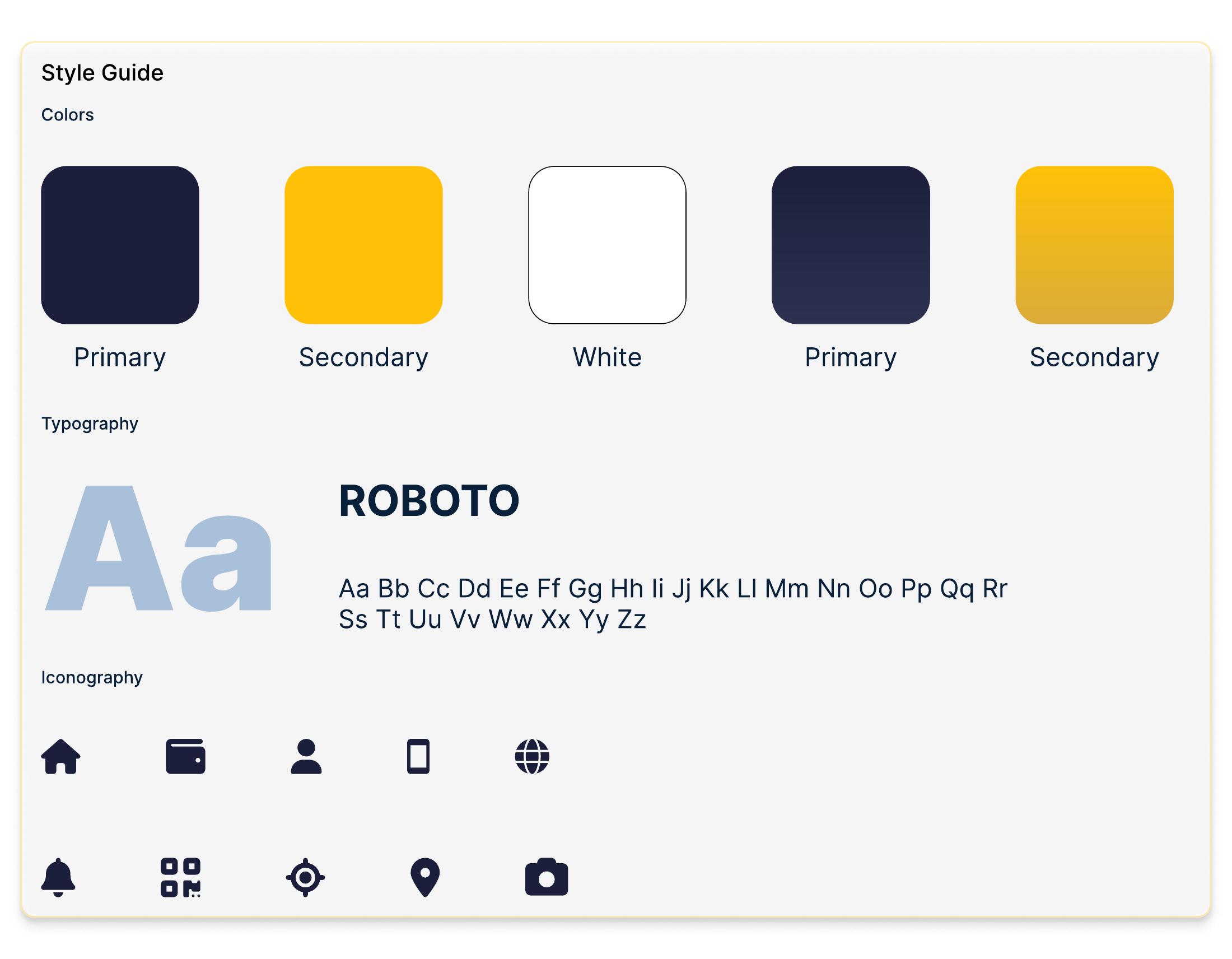
Surface battery level, remaining range, distance, duration and running fare in the ride view.
Why
The fear in a rural context is being stranded, not being overcharged. The interface answers the bigger fear first.
05
Outcome
The outcome is a complete conceptual product ecosystem rather than a single mobile application: rider app, investor app and admin platform on a Rent → Ride → Drop service model.
Projected business impact figures exist in the project documentation (retention, payment success, load time, engagement, rating target). They are projections and targets, not measured production results, so they are not presented as outcomes here. Usability testing: not conducted.
Reflection
What I learned
- 01A two-sided model is a design problem, not only a business model. The investor screens changed how the rider fleet had to behave.
- 02Affordability is a number the research gave me (₹11–20 for 5 km). Designing to that constraint disciplined every feature decision afterwards.
- 03Late-evening demand reframed safety from a feature into the product’s reason to exist.
- 04I would validate the investor earnings model with real people before designing another screen for it.
Case study summary
- Problem
- Rural last-mile mobility gap, and no transparent local ownership model
- My contribution
- Solo: research, strategy, service model, IA, flows, design system, high-fidelity prototype
- Key decision
- Design rider, investor and admin as one connected ecosystem
- Outcome
- Prototype ecosystem; business figures are projections
- Main learning
- Constraints from research make better products than ambition does
Media I need from you
Upload order for this case study
Send them one at a time and I'll place each one exactly where it belongs. Start with Essential — the case study reads correctly once those are in.
Essential
- Rider app screens
- Investor app screens
- Admin dashboard
- Service model diagram
Important
- Personas
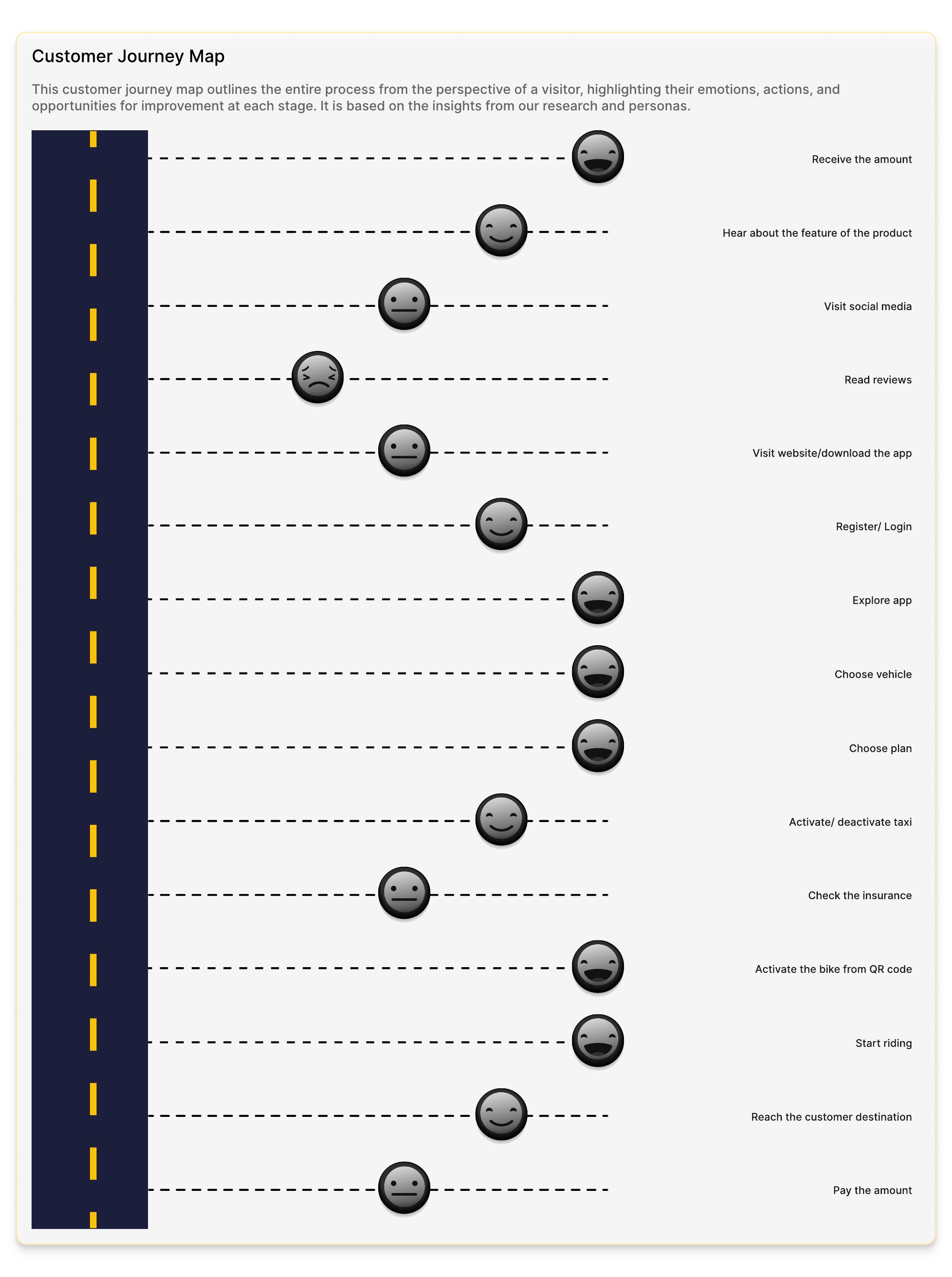
- Journey map
- Wireframes
- Design system
- Prototype recording
Optional
- Field photographs
- Sketches
- Vehicle photographs